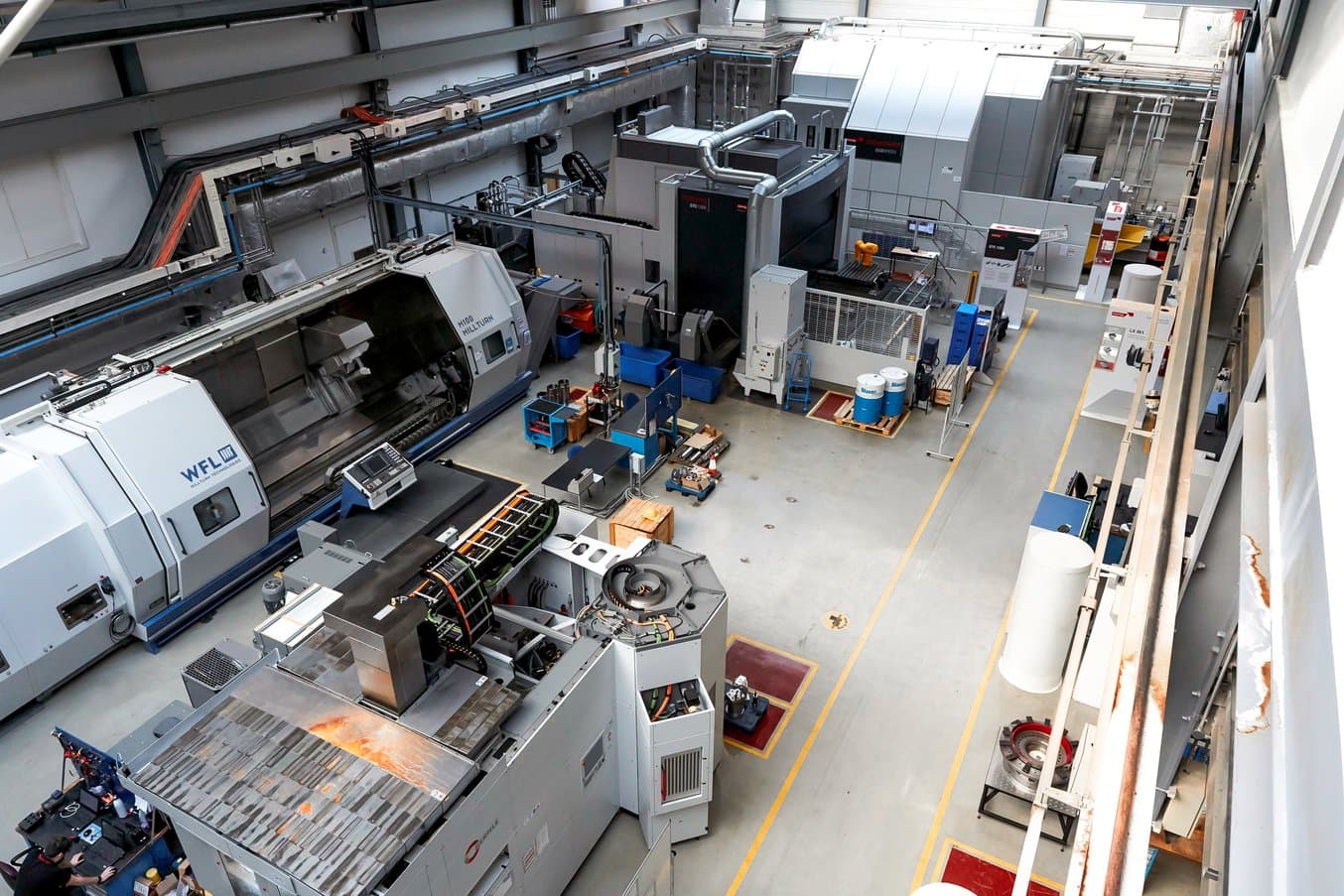
One of the key challenges in advanced manufacturing is to ensure that complex structures like robotics, digitally assisted assembly, and machining technologies are assembled perfectly. Based in a £43 million Factory 2050 at the Advanced Manufacturing Research Centre (AMRC), the Integrated Manufacturing Group is a research group that works with industrial partners to bring together these advanced technologies and develop integrated systems.
The research group recently worked on a project for Airbus, Europe’s largest aerospace manufacturer, that involved high-tolerance drilling and machining of carbon fiber, aluminum, and titanium components.
Given the stringent aerospace requirements, it was critical to prevent cross-contamination of holes during these trials. Shortly into the project, the team realized that their planned solution wasn’t sufficient to solve the issue and faced weeks of delay if they were to machine or injection mold replacement parts.
Learn from George Sleath, a project engineer at the Integrated Manufacturing Group, about how the team used 3D printing to rapidly produce 500 high-precision drilling caps, cutting the lead time from weeks to only three days.
Sleath and the engineering team worked with AMRC’s open-access additive manufacturing station to manufacture the parts they needed. Read our case study to learn how open access to 3D printing can support hundreds of engineers across the site.
测试不同方法以避免交叉污染
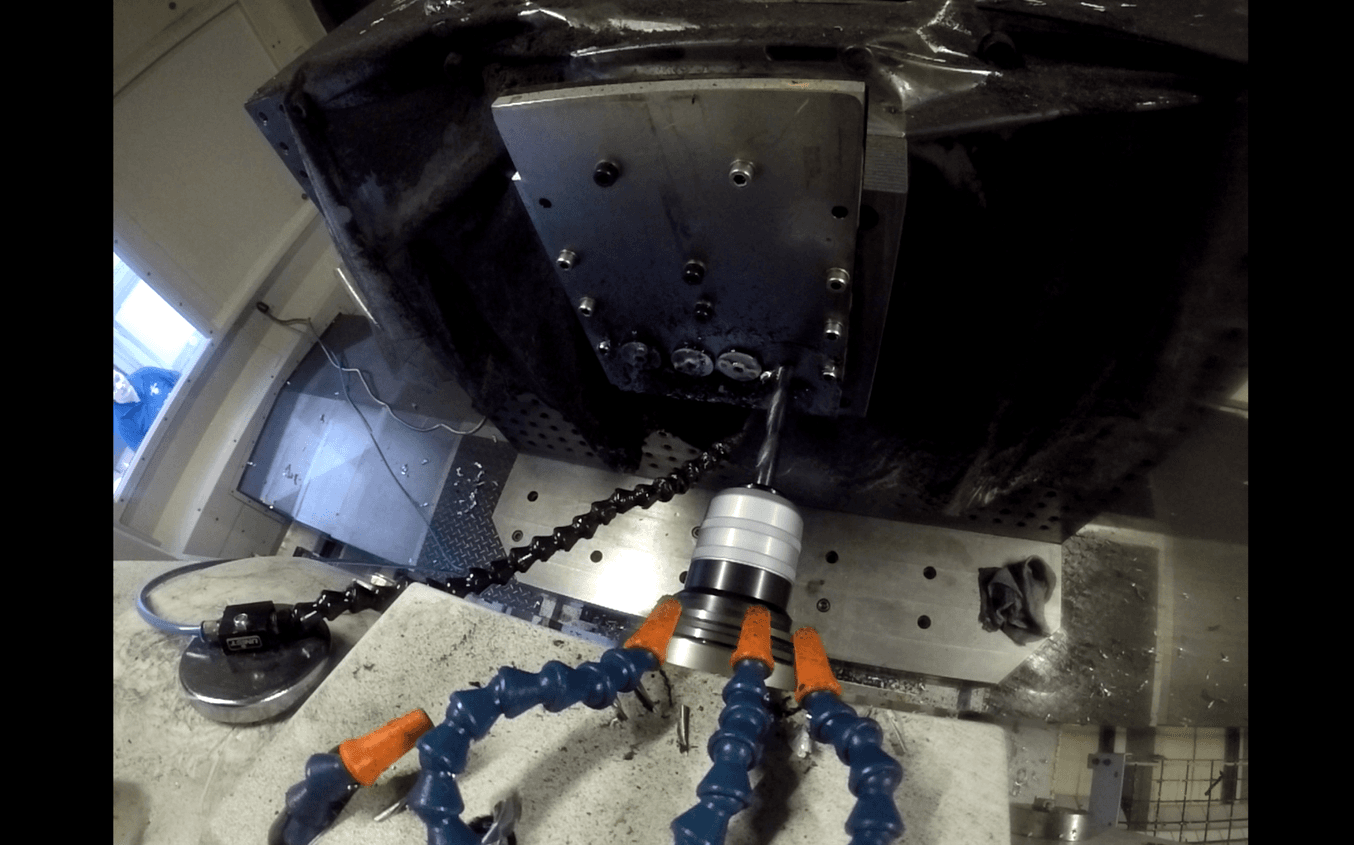
“One of the key requirements for the drilling process was that we didn't have any contamination in the holes. What this meant was that after drilling one hole and moving onto the next hole, we needed to cover up the first one, so that any scrap that was generated didn't cross-contaminate it. When we realized that we had this particular requirement for a hole cover, we only had a small amount of time to deliver the solution,” Sleath said.
The engineers first tried to use an aluminum piece with a small rubber O-ring, but that didn't solve the problem sufficiently. It caused the entire project to slow down, which, given the limited time available to conclude the project, wasn't going to be acceptable.
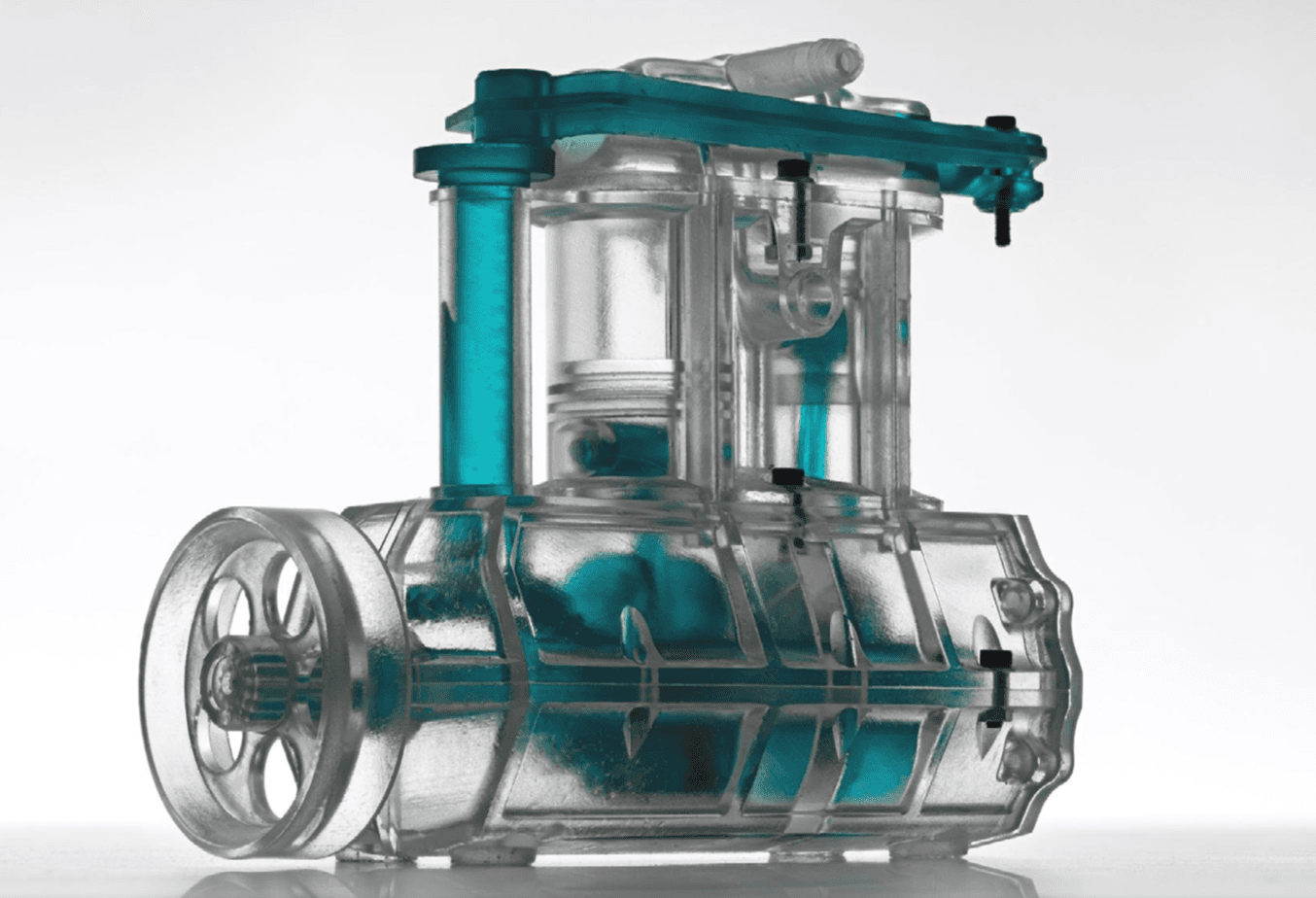
The team then came up with a new design: a small disc with a cut channel around the outside to fit an O-ring. The part had relatively strict tolerance requirements; if the cut was too big and the ring would sink into the side of the part, it wouldn't actually seal on the O-ring, but on the plastic. The acceptable range of tolerance was half the thickness of the O-ring, somewhere in the region of half a millimeter.
The variety of parts also meant complications for manufacturing. “We had to have multiple variations because the holes we were drilling were different sizes, which meant we required different hole covers. From a virtual design point of view, it doesn't take long to just change one dimension, but if you were to have the parts injection molded, you'd have to have a new mold for each one,” Sleath said.
两天内 3D 打印 500 个保护帽
团队需要在 10 天时间内制造约 500 个这样的小保护帽,实际上只有 3D 打印制造方案能够做到。
由于当时对 AMRC 的内部能力尚不确定,Sleath 首先向三家外部打印机构询价,但考虑到这些部件对项目的价值,报价都过高。
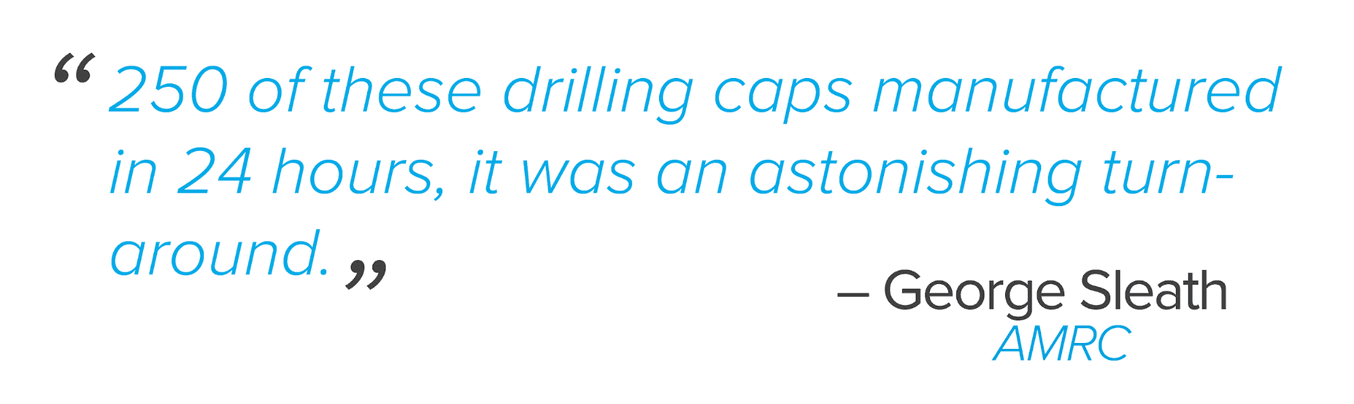
“随后,我与设计和原型制造部门的 Mark Cocking 进行了交谈,询问我们是否可以在内部制造部件。实际上,我在 24 小时内都没有收到他的回复,但在我收到他的回复时,他却说:‘没问题,打印进度已经过半了’。24 小时内就生产了 250 个钻孔盖,周转时间真是惊人。”Sleath 表示。
最后,Cocking 设法在两天内完成了所有部件的生产。
“这不仅让我们能够及时获得部件并加以使用,还能专注于其他任务无需担心交付进度。”Sleath 表示。
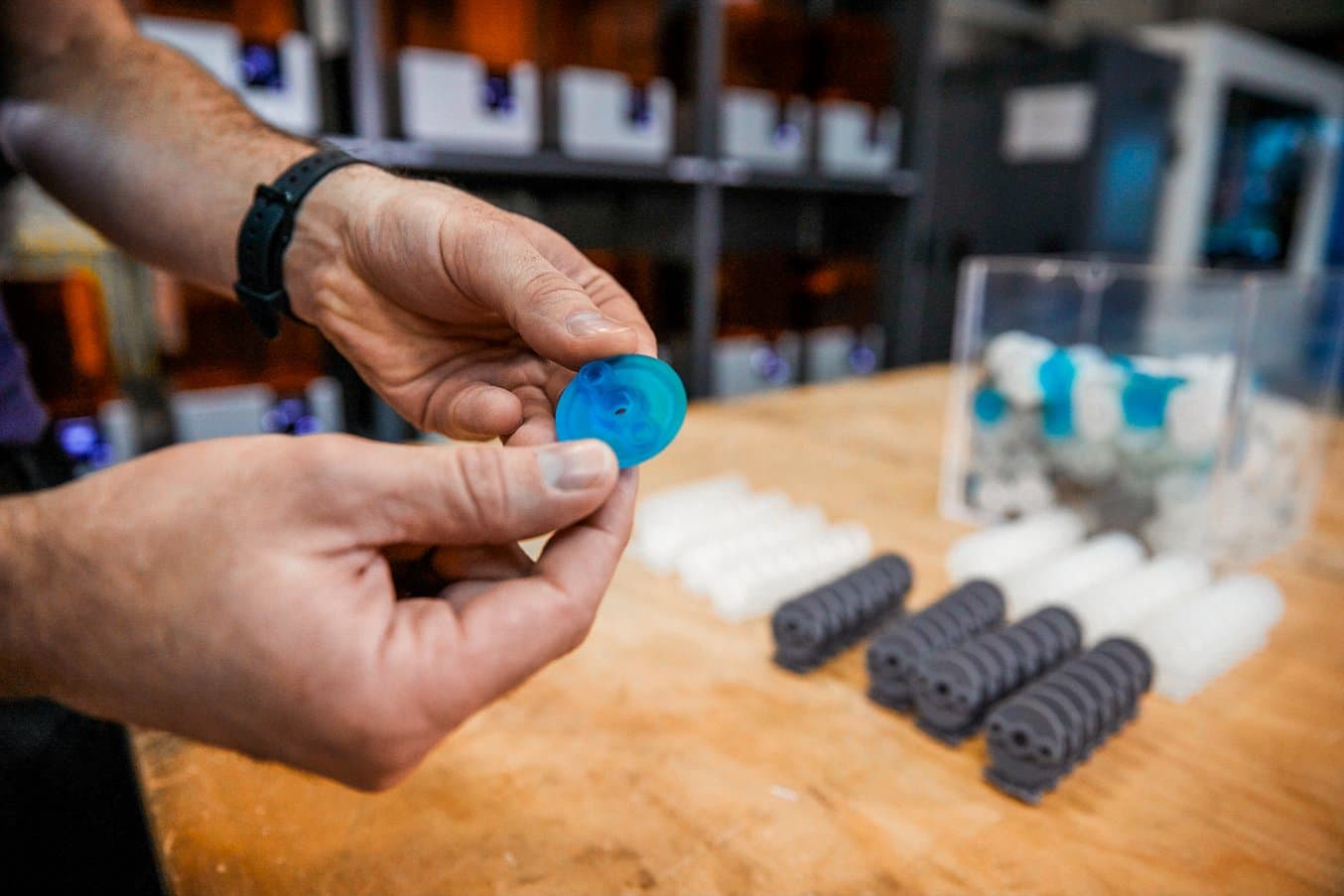
AMRC managed to 3D print 500 of the different drill cap designs in just two days. With 3D printing, the engineers were also able to include geometry in the part that they also 3D printed into a tool, which allowed them to install the caps quickly and easily.
内部 3D 打印站提供灵活性和迭代空间
由于部件采用 3D 打印,工程师们能够在部件中加入几何形状,这些几何形状也能经 3D 打印成工具,进而能够快速、轻松地安装保护帽。
“安装人员都反馈部件非常好。绝大多数部件的性能完全符合预期,在操作过程中并无损坏。”Sleath 表示。
除了周转时间快、成本低之外,内部 3D 打印的一个关键优势是灵活性。
“如果设计测试未通过,我们可以迅速将其返回到设计循环中并进行修改,而不是将第一份设计发送给服务中心,当他们在几周后将 500 个部件全部返回时,才意识到需要进行细微的修改。”Sleath 表示。
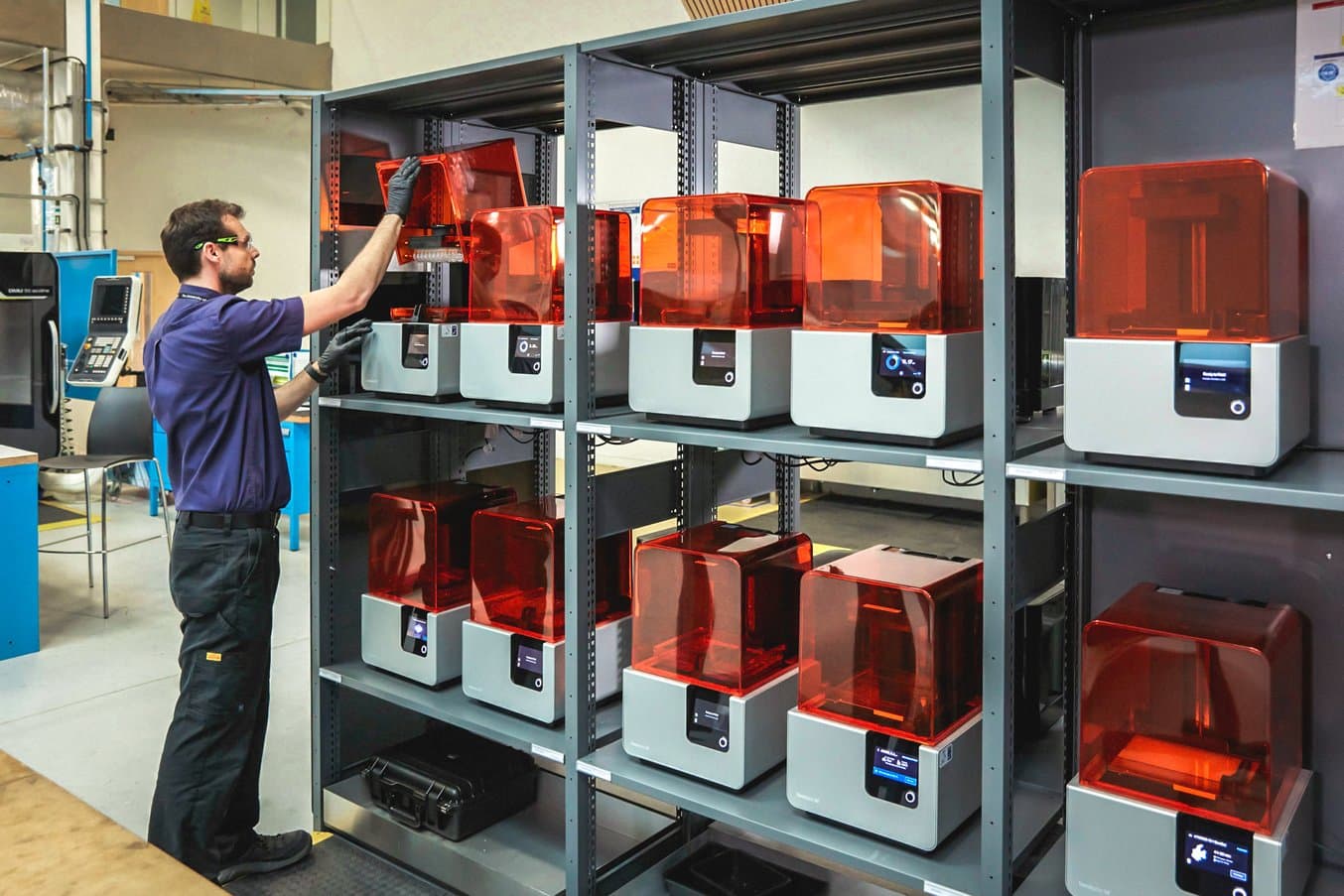
了解 3D 打印工作站如何为 AMRC 的数百名工程师提供支持
“我非常喜欢用 3D 打印来快速迭代设计。我会在 3D 打印机上制造一个部件,看看它在现场的表现如何,然后迅速将新设计返回打印机。由于其速度快、成本低,有时一天就能完成两三个设计。“随着 AMRC 在整个基地努力推行新的开放式使用计划,我想会有更多人采用 3D 打印。”Sleath 表示。
了解 AMRC 的 3D 打印站及其他应用,如焊接用温度传感器支架、采用复合材料制造的高度复杂机器人抓手支架以及采用复合材料制造的自定义绕丝辊。
想了解更多关于 AMRC 3D 打印站背后的打印机和技术?探索 Formlabs 最新的 SLA 3D 打印机、Form 3 和大幅面 Form 3L,以及 Formlabs 的工程树脂系列并应用于您的项目,或索取免费的 3D 打印部件样品,亲眼见证材料性能。