
注:
如需进一步了解 True Cast Resin 的性能或特定材料属性,请参阅安全数据表 (SDS) 和技术数据表 (TDS)。请始终参阅安全数据表并将其作为主要信息来源,以了解 Formlabs 材料的安全性能和处理方法。

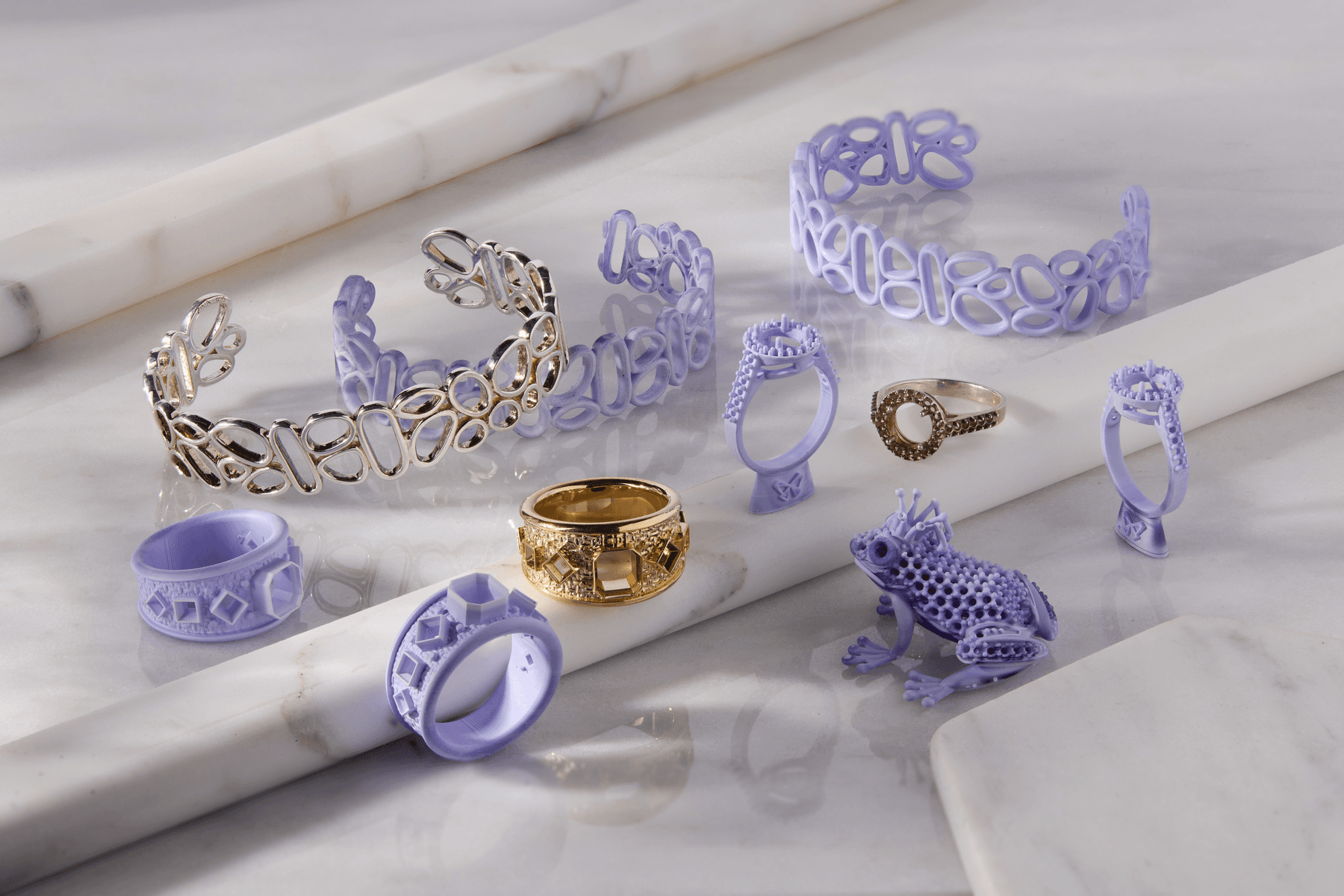
True Cast Resin 可用于精致珠宝的精密铸造以及厚度达 5mm 的复杂工程组件制造。True Cast Resin 打印的部件细节出色,表面光滑,广泛适合各种铸造工作流程和条件。
True Cast Resin 性能可靠、质量上乘、用途广泛,可适配多种燃尽时间表。低热膨胀、收缩极小、灰分含量仅为 0.03%,确保了燃烧过程充分、洁净,始终如一地提供出色的铸造效果。
注:
如需进一步了解 True Cast Resin 的性能或特定材料属性,请参阅安全数据表 (SDS) 和技术数据表 (TDS)。请始终参阅安全数据表并将其作为主要信息来源,以了解 Formlabs 材料的安全性能和处理方法。
建议用于:
不建议用于:
True Cast Resin 以 25 微米和 50 微米的打印层厚进行打印。如需获取该材料的打印技术交流,请加入 Facebook 上的 Formlabs 珠宝/铸造群组。
所需资源
Formlabs 产品:
工作流程概览
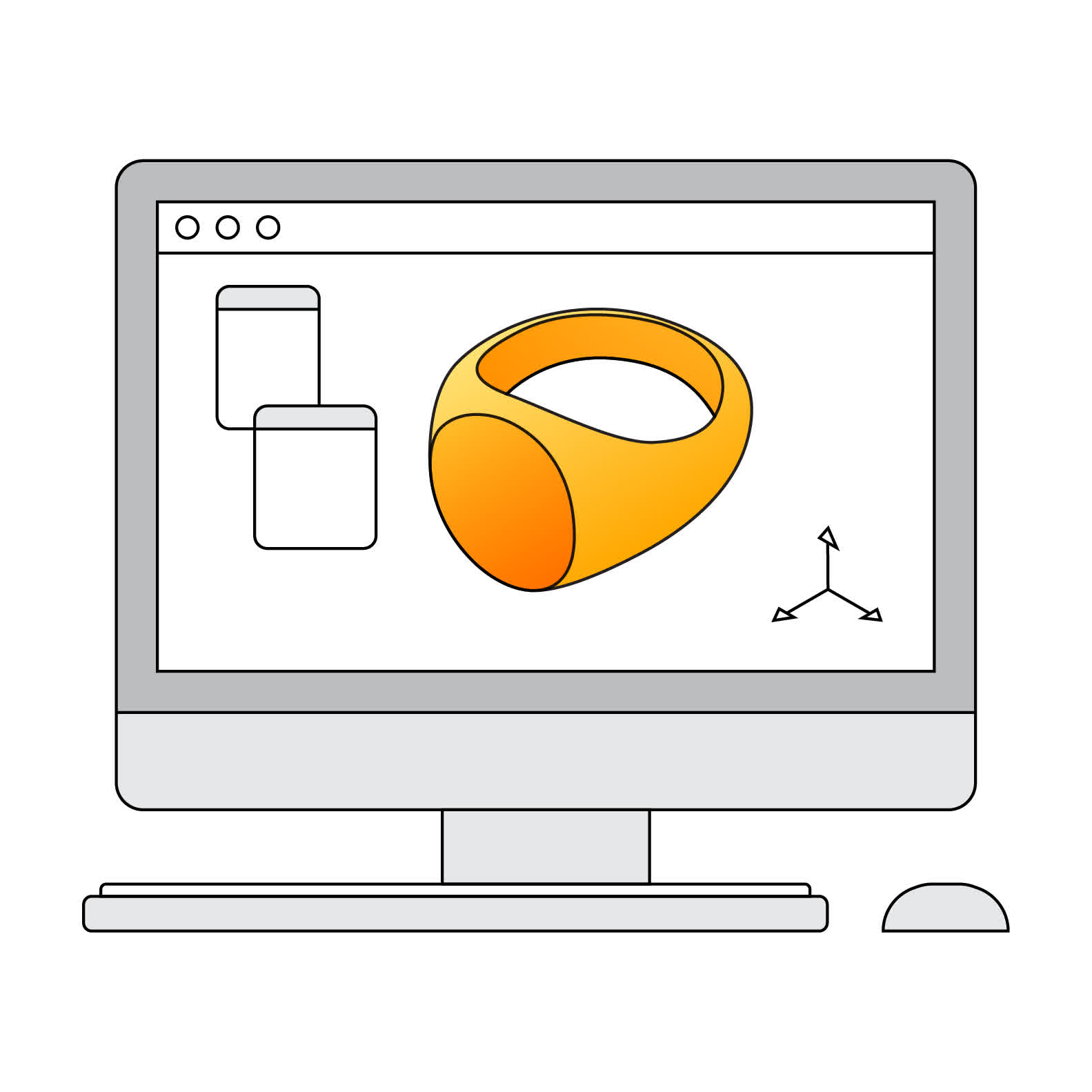
1-模型设计
在 CAD 软件中设计部件。 |
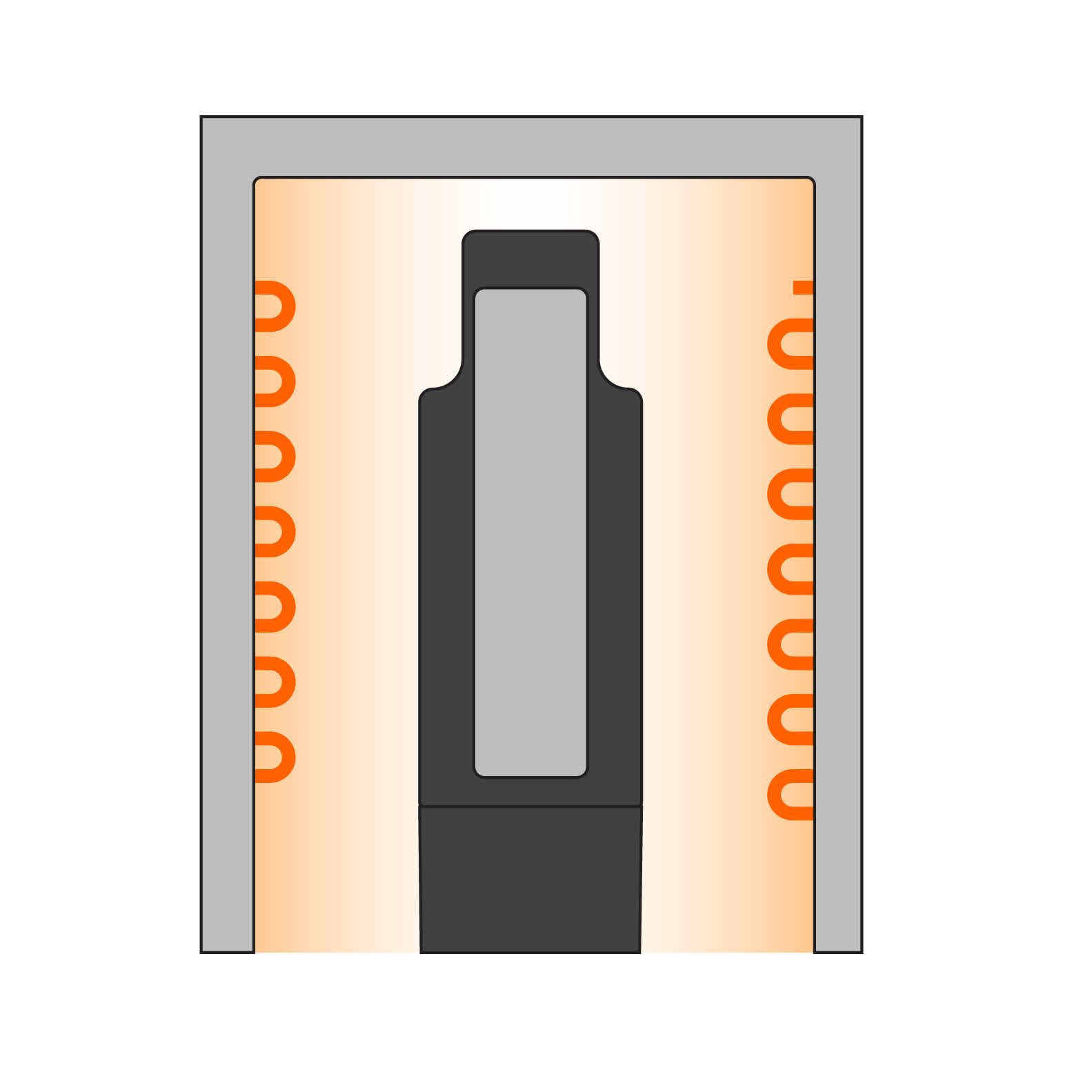
2-预热并混合树脂
在打印前对树脂进行加热并混合,以确保蜡成分完全呈液态且分散均匀。 |
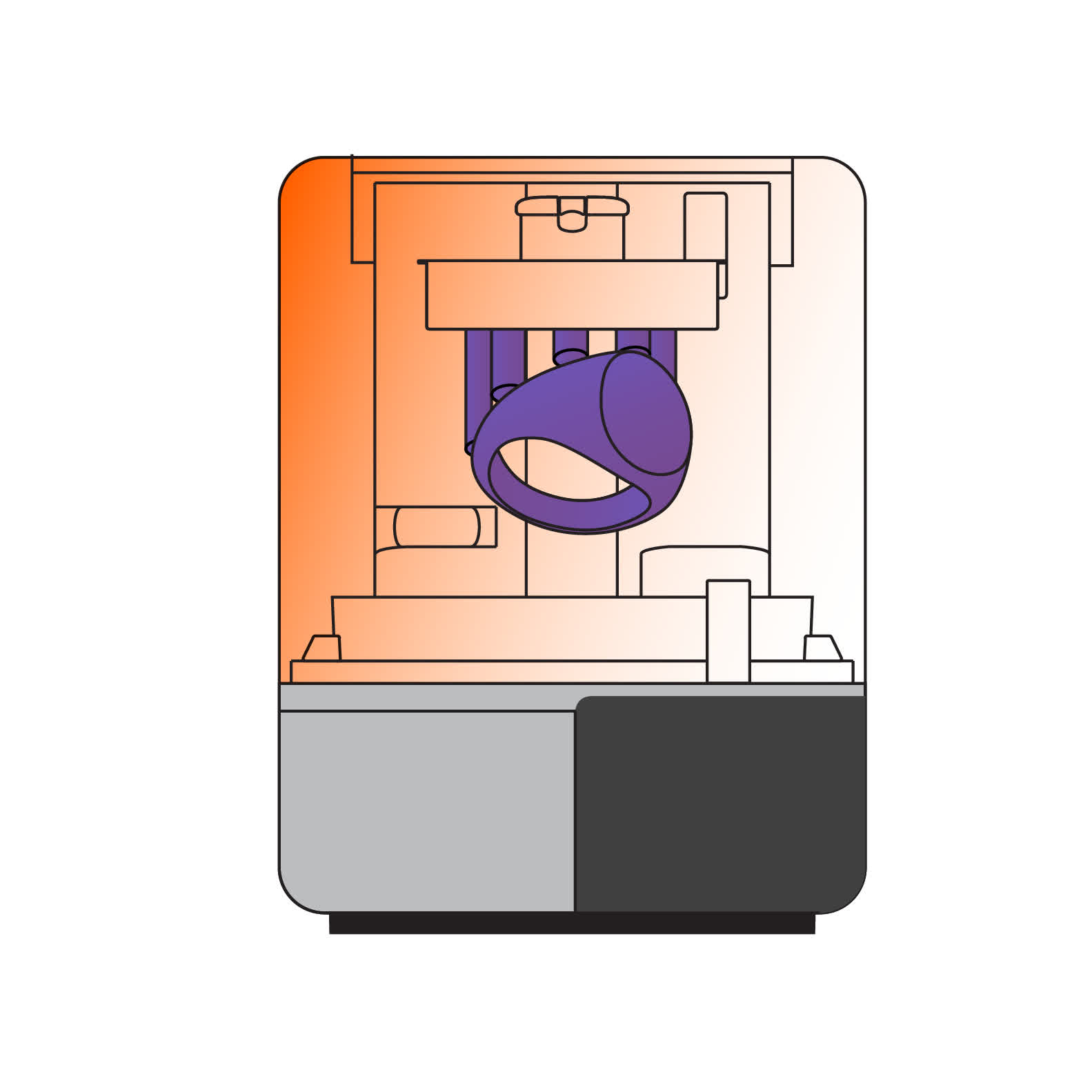
3-模型打印
按照 Formlabs 的说明,使用 True Cast Resin 进行 3D 打印。 |
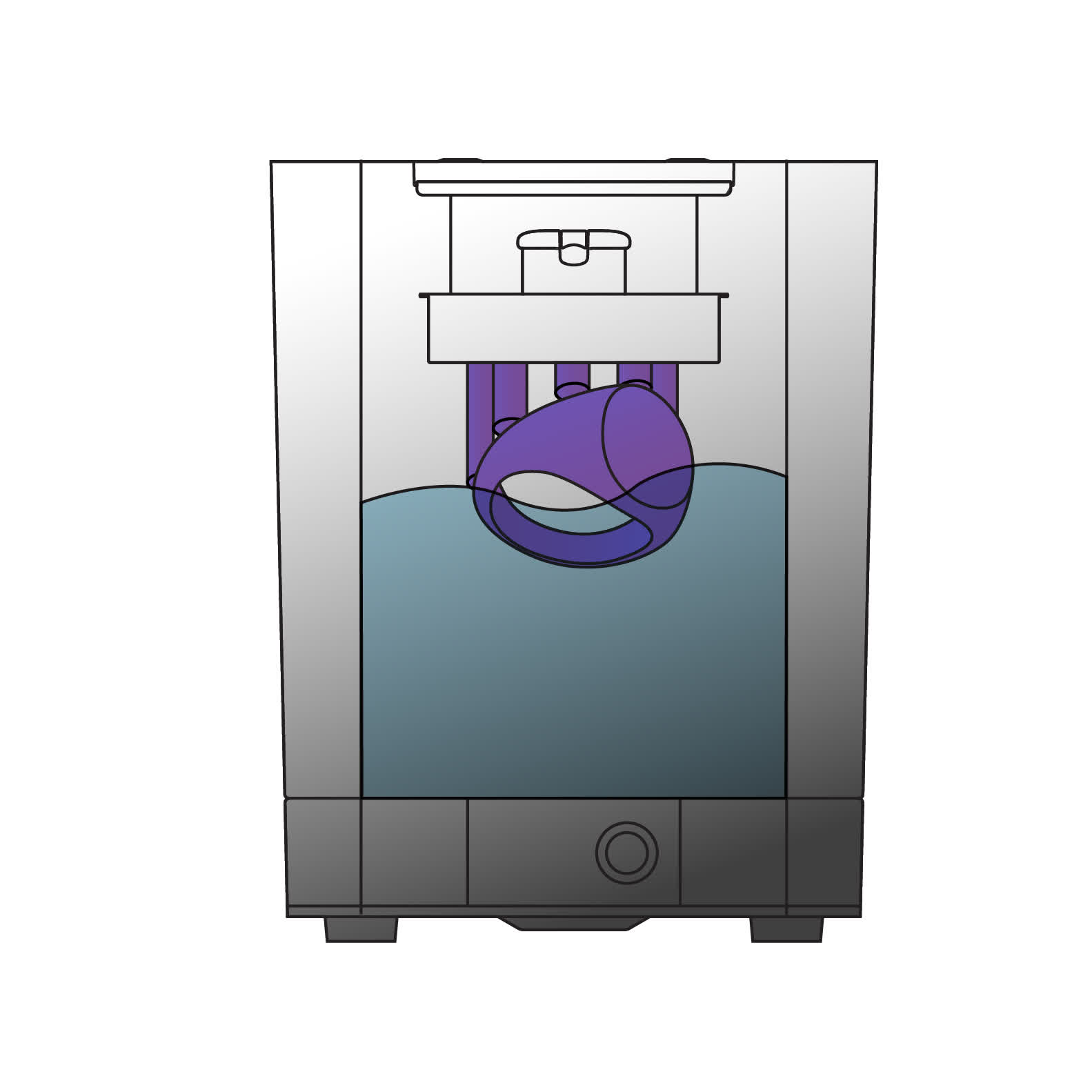
4-清洗模型
用 IPA 彻底清洗打印模型,以去除一切残留的未固化树脂。用干净的 IPA 对部件进行第二次漂洗,以确保模型完全清洁。部件上残留有未固化树脂可能会导致出现铸造缺陷。 |

5-使用压缩空气吹干
使用压缩空气将打印部件完全吹干。此举可确保在铸造之前部件上不会残存任何未固化的树脂和 IPA。 |
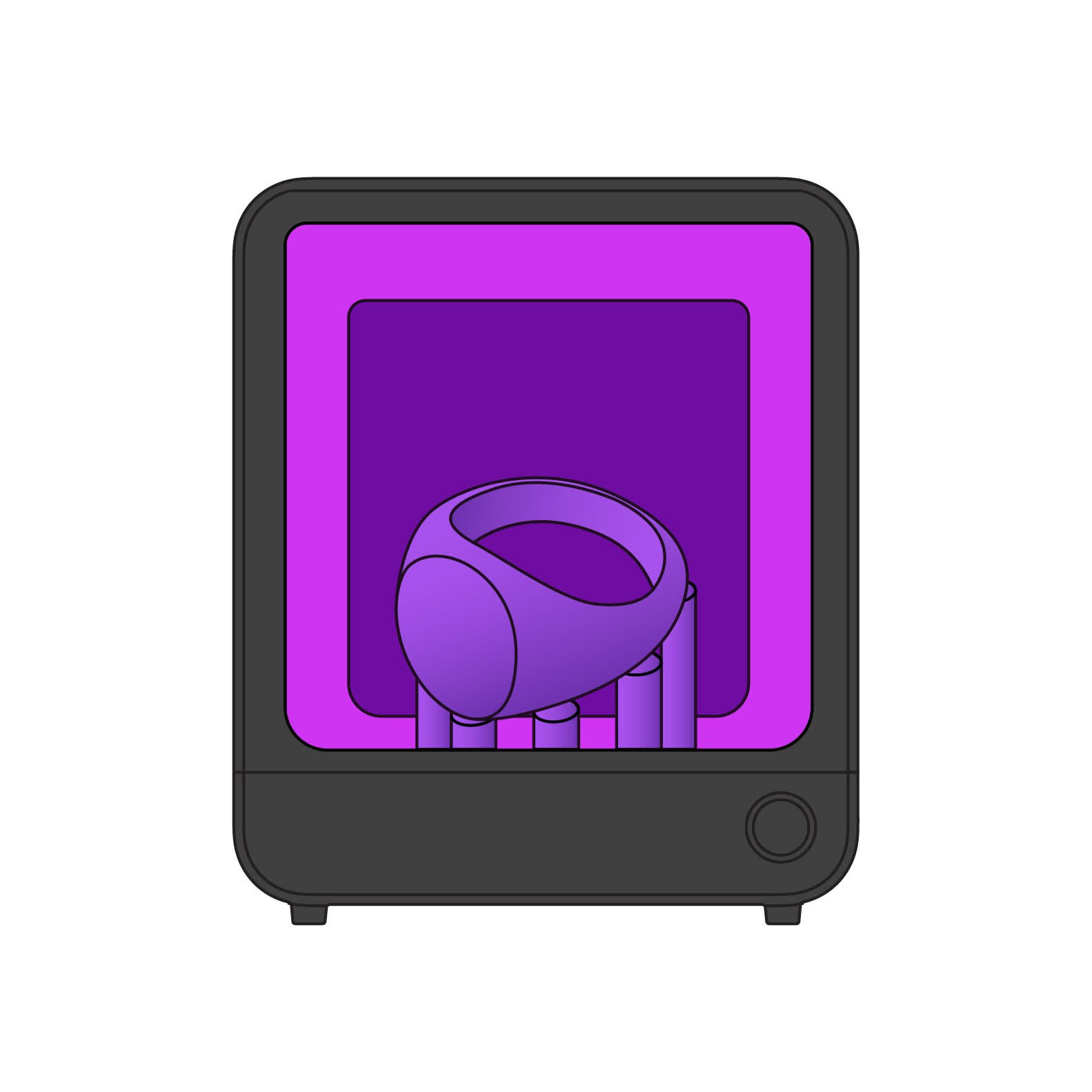
6-后固化模型
为了获得最佳铸造效果,需对部件进行后固化,以完成打印过程中开始发生的聚合反应。此举能够提高模型的强度和坚固程度,并减少铸造过程中产生的缺陷。 |
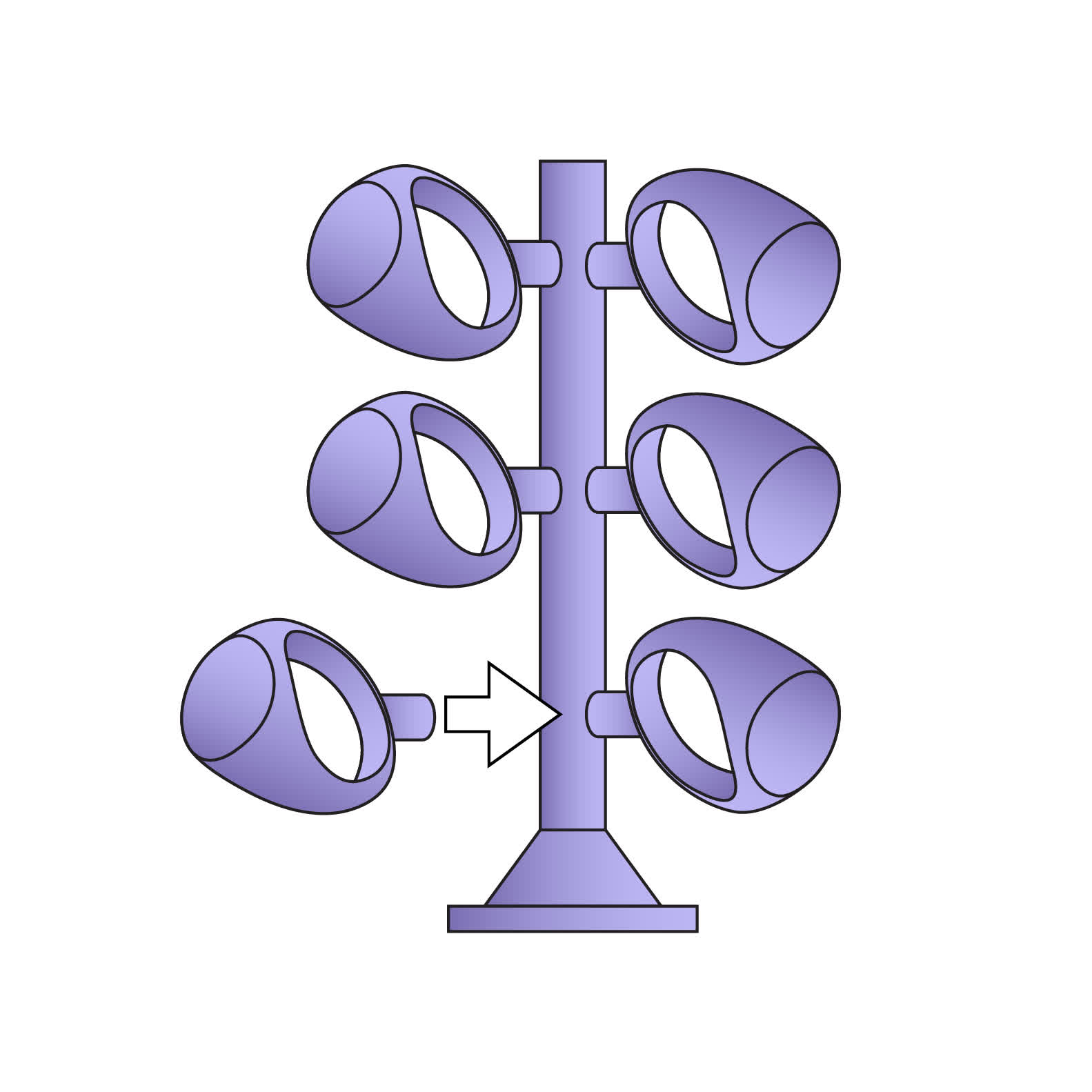
7-构建浇注树
在准备进行铸造时,请用浇道蜡将打印件粘到蜡浇注树上。将浇注树连接到铸造瓶上。 |
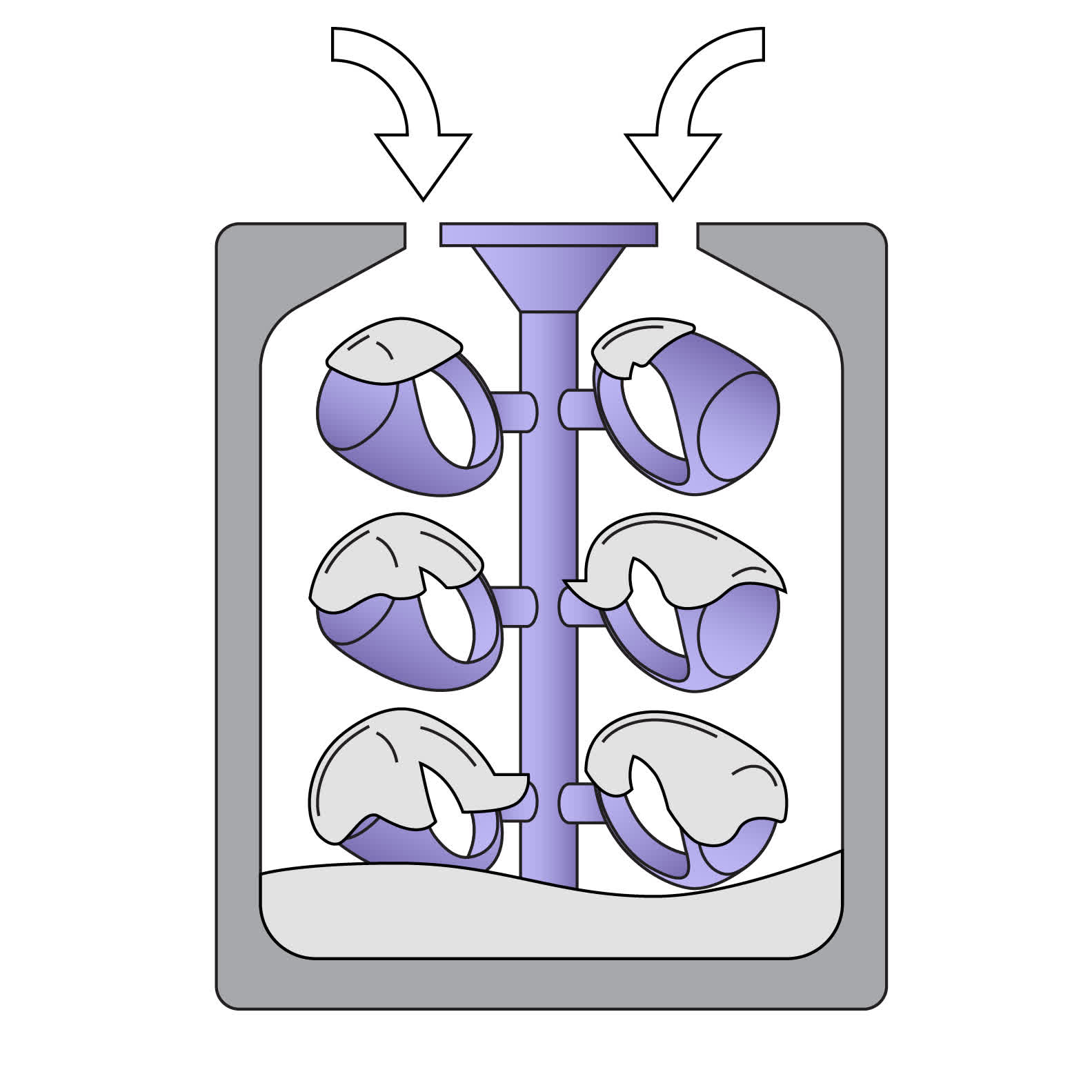
8-准备模具
按照包埋料制造商的说明将包埋料和水进行混合。慢慢地将包埋料倒入铸造瓶。 |

9-燃烧
将铸造瓶放入燃烧炉,并遵循与包埋材料相对应的建议燃尽时间表。 |
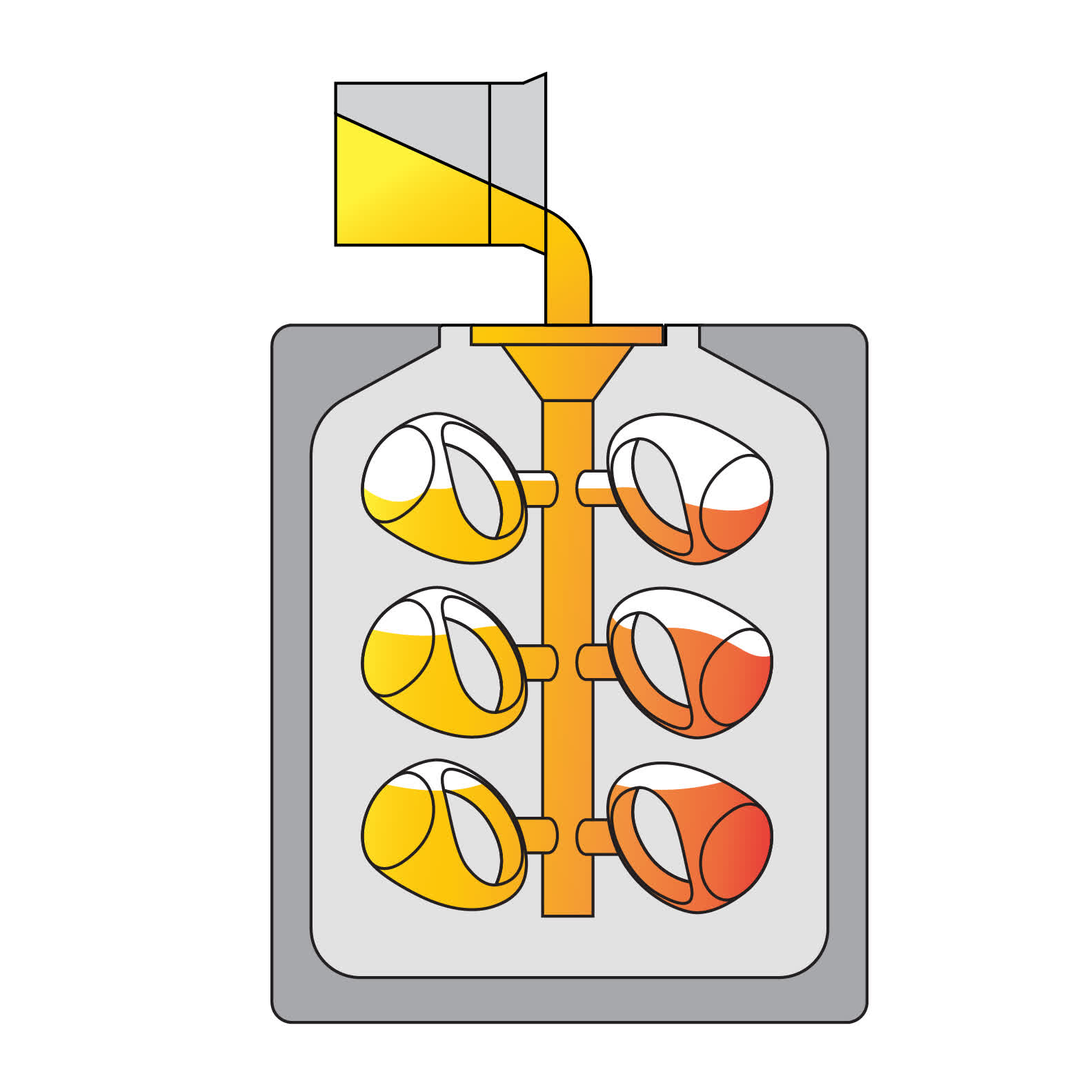
10-铸造
利用铸造瓶进行金属铸造。 |
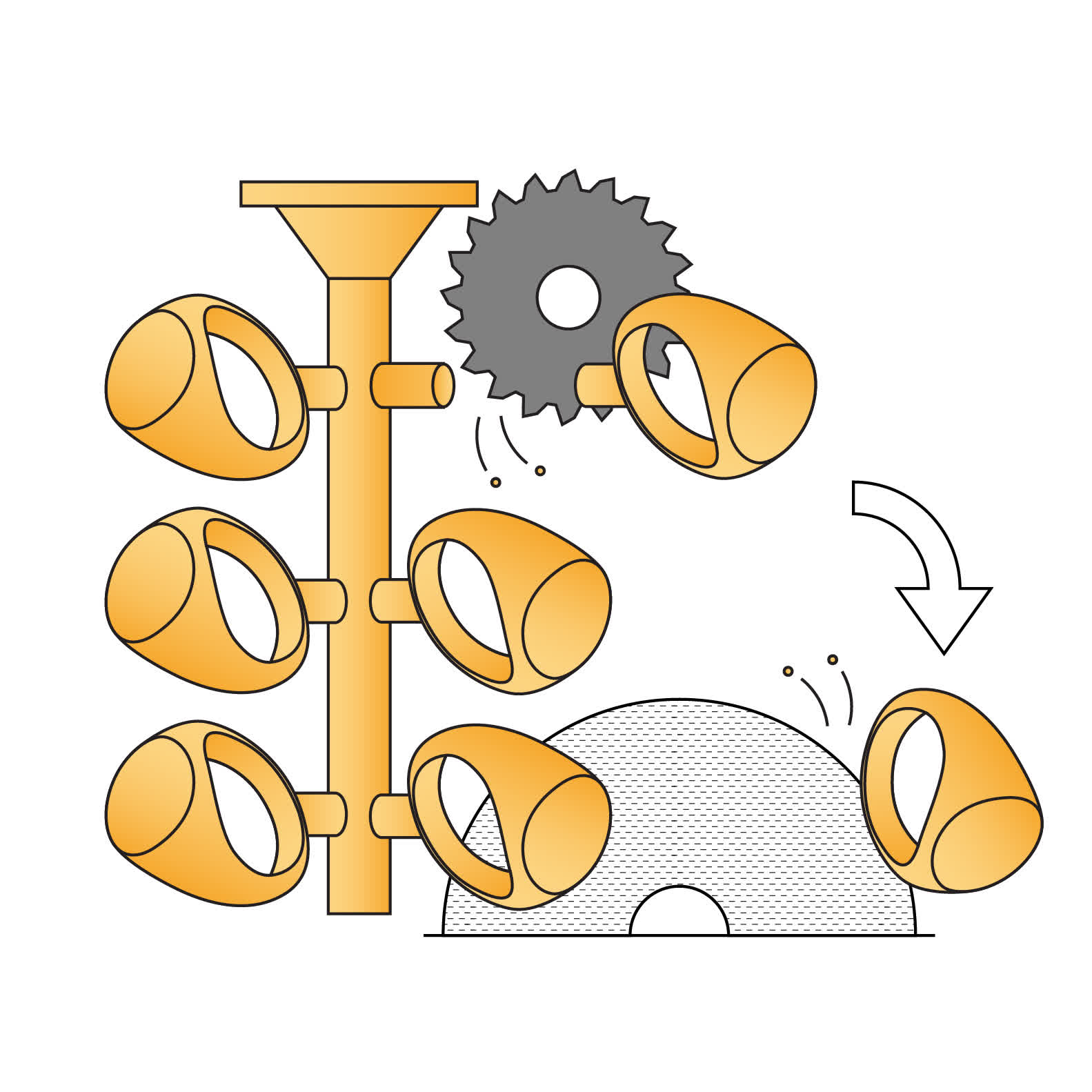
11-回收部件
回收铸件,将其从浇铸树上移出,并在必要时用喷砂清理掉一切残余包埋料。 |
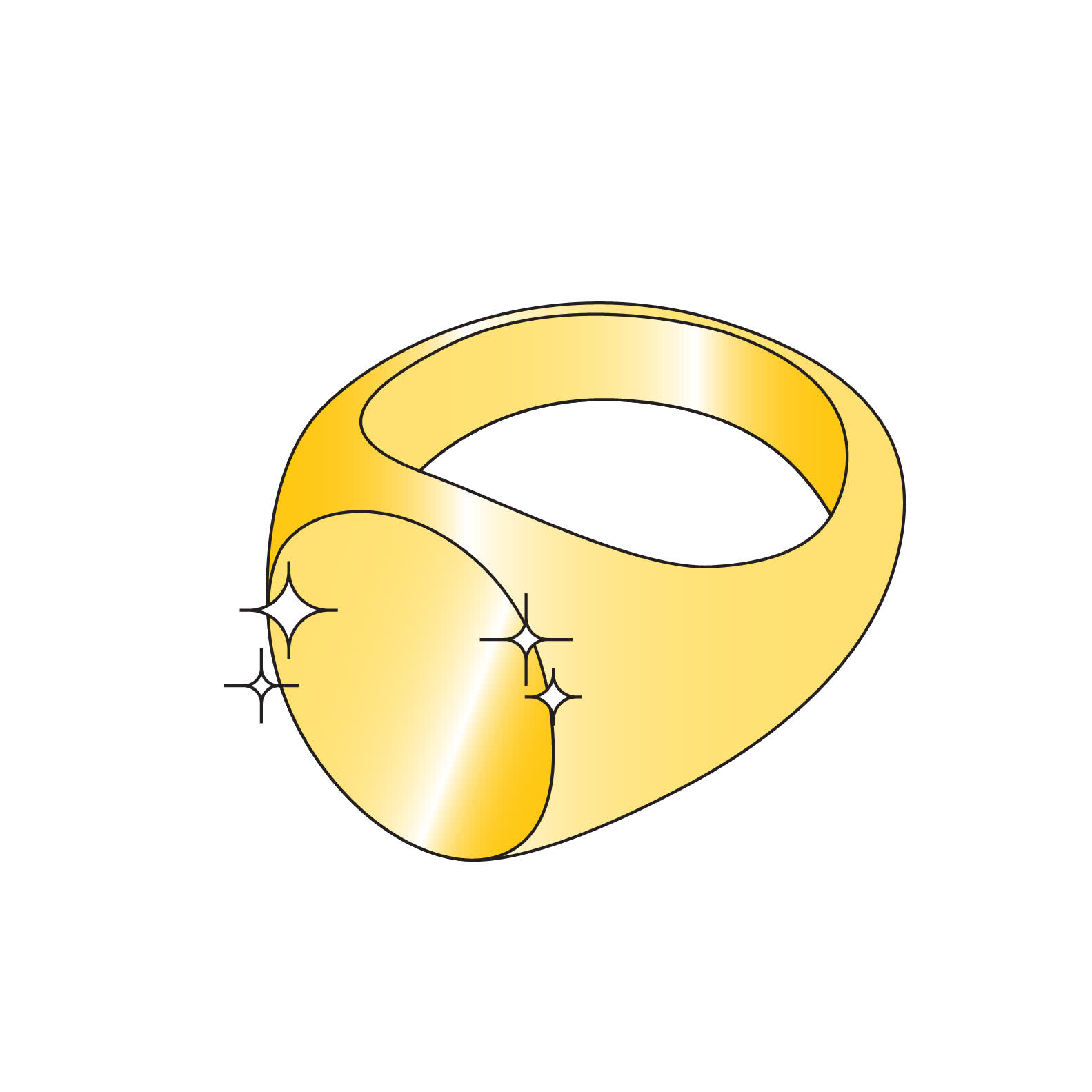
12-后处理
根据需要对部件进行后处理和精加工。 |
打印前
True Cast Resin 含有蜡成分,在室温下会逐渐固化。这是 True Cast Resin 的正常特性,并不代表树脂过期。
为防止树脂成分分离,Formlabs 建议每周或按需对料盒中的树脂进行加热处理。请选择以下任一加热方案:
注意:
不要将树脂盒直接放入水中。水浸可能会损坏 RFID 标签,导致打印机无法正常识别树脂盒。
注意:
请勿将 Formlabs 树脂盒放入微波炉中,这会损坏 RFID 标签导致打印机无法正常识别树脂盒。
树脂加热后,请用力摇晃树脂盒或树脂瓶 30 秒,让蜡质成分与树脂充分融合。经加热的树脂粘度较低易造成污染,请小心操作。
Formlabs 不建议对已在 Formlabs 树脂槽中的 True Cast Resin 重复加热。打印机在预打印过程中加热树脂槽时,树脂会变稀并液化。对于第三方树脂槽,用户可能需要在非打印期间从树脂槽中取出 True Cast Resin,防止蜡质成分凝固。
设计指南
铸造既是一种工艺技术,也是一种艺术形式。为了成功得到铸造部件,铸件的设计与材料属性同样重要。应注意每个特征的设计、包埋材料流动和打印配置。参阅 Formlabs 的白皮书珠宝 3D 打印:基础设计参数、支撑与定向 [EN] [DE] [FR] [IT] [ZH],进一步了解有关珠宝普遍特征,如爪镶、银线细工、雕刻、表面、突出文字、珠边的最佳设计参数。
打印特征建议
使用 True Cast Resin 打印时,Formlabs 建议将模型壁厚设计在 500 微米到 5 毫米之间。
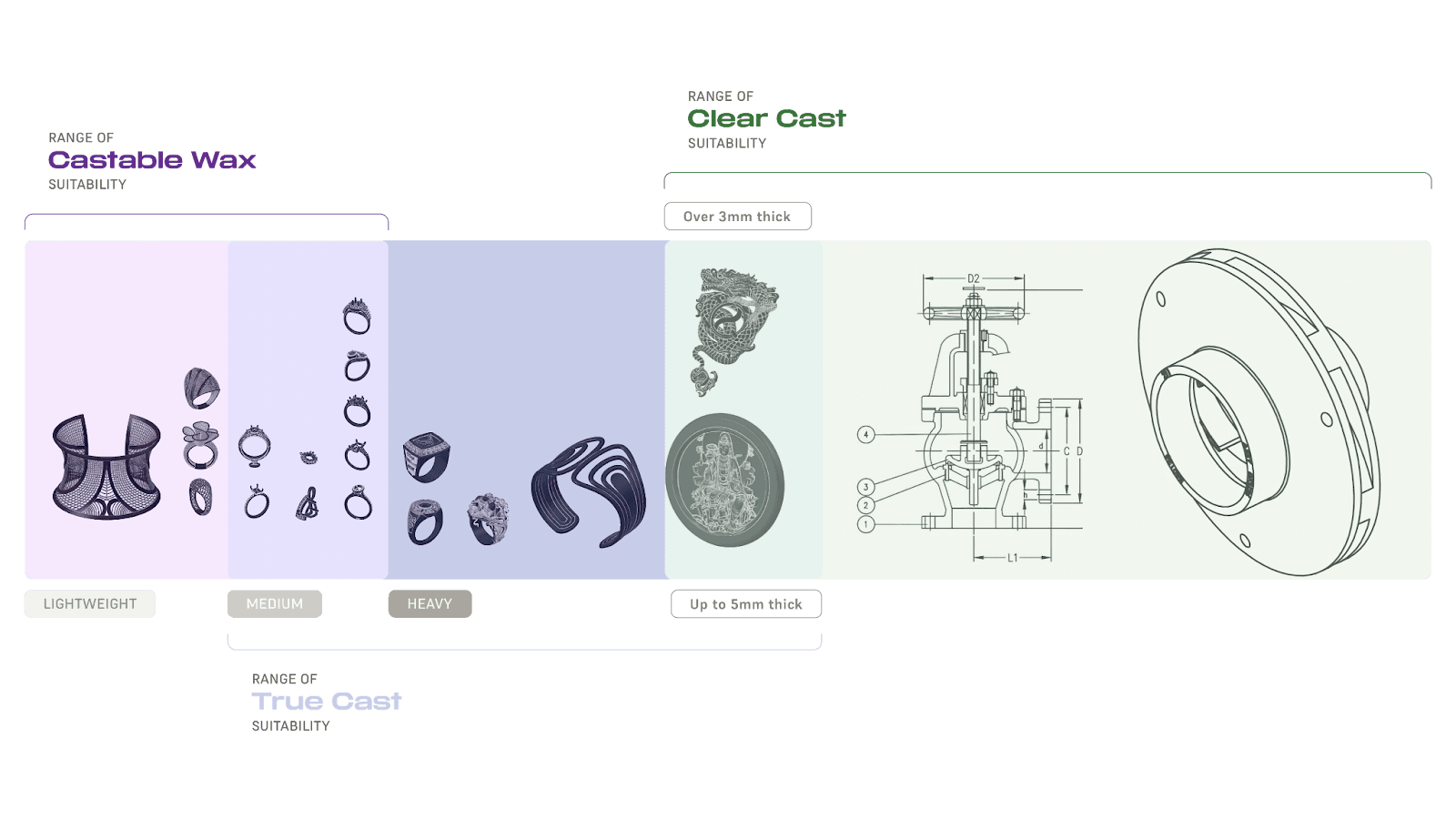
选择铸造树脂时,应综合考虑不同材料的铸造性能。对于较小的部件或细工丝线,建议选用 Castable Wax Resin。对于轻奢型至奢华型珠宝或小型工程组件,建议选用 True Cast Resin。对于大型熔模铸造,建议选用 Clear Cast Resin。
避免熔模断裂
设计模型时应保持流畅的表面过渡,尽可能避免形成尖角或锐边。锐边不仅会增加金属液紊流,还会使模具内膨胀应力集中。
而膨胀应力集中会导致熔模断裂。铸粉破裂的表现为:铸件上的雕刻、镶石孔等内凹结构被填充。铸粉破裂通常会伴随铸件表面粗糙或麻点,由铸粉碎屑导致。
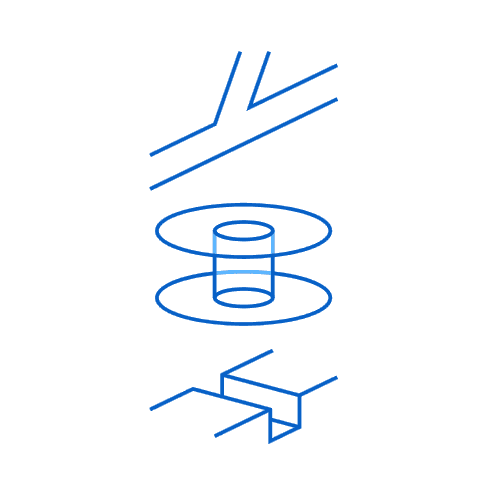
Take care when designing models with knife edges, stone holes, or engraves.
Be mindful of the depth of small, negative features with fragile investments. Keep engraved channels and holes wider than they are deep.
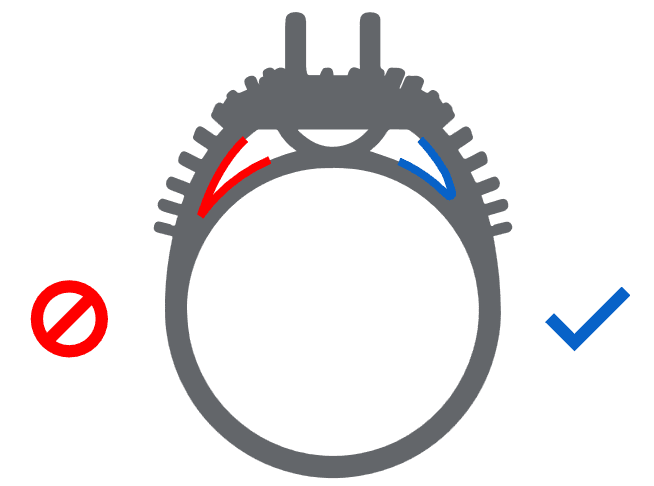
Sprues
Formlabs recommends designing sprues that are straight or taper down towards the piece. Supports added in PreForm should not be used as sprues. Incorporate 3D printed sprues into the design process for increased printing and casting success.
Only use 3D printed feed sprues if there would be physical difficulty placing a wax sprue. Wax sprues promote better cast part quality as they provide early access to oxygen to the part when melted in the casting process.
To prevent casting failures, add a sprue attachment point such as a hole in the bottom of a ring or a small hollow post to your CAD model.
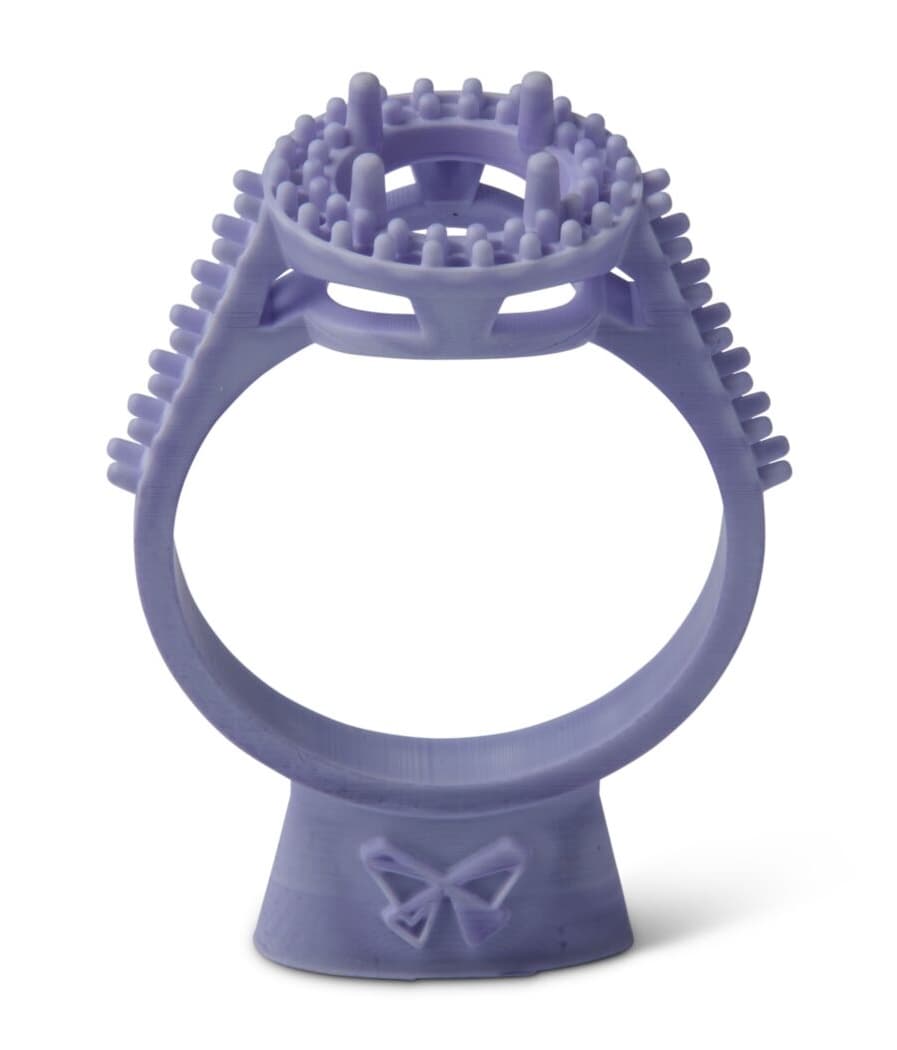
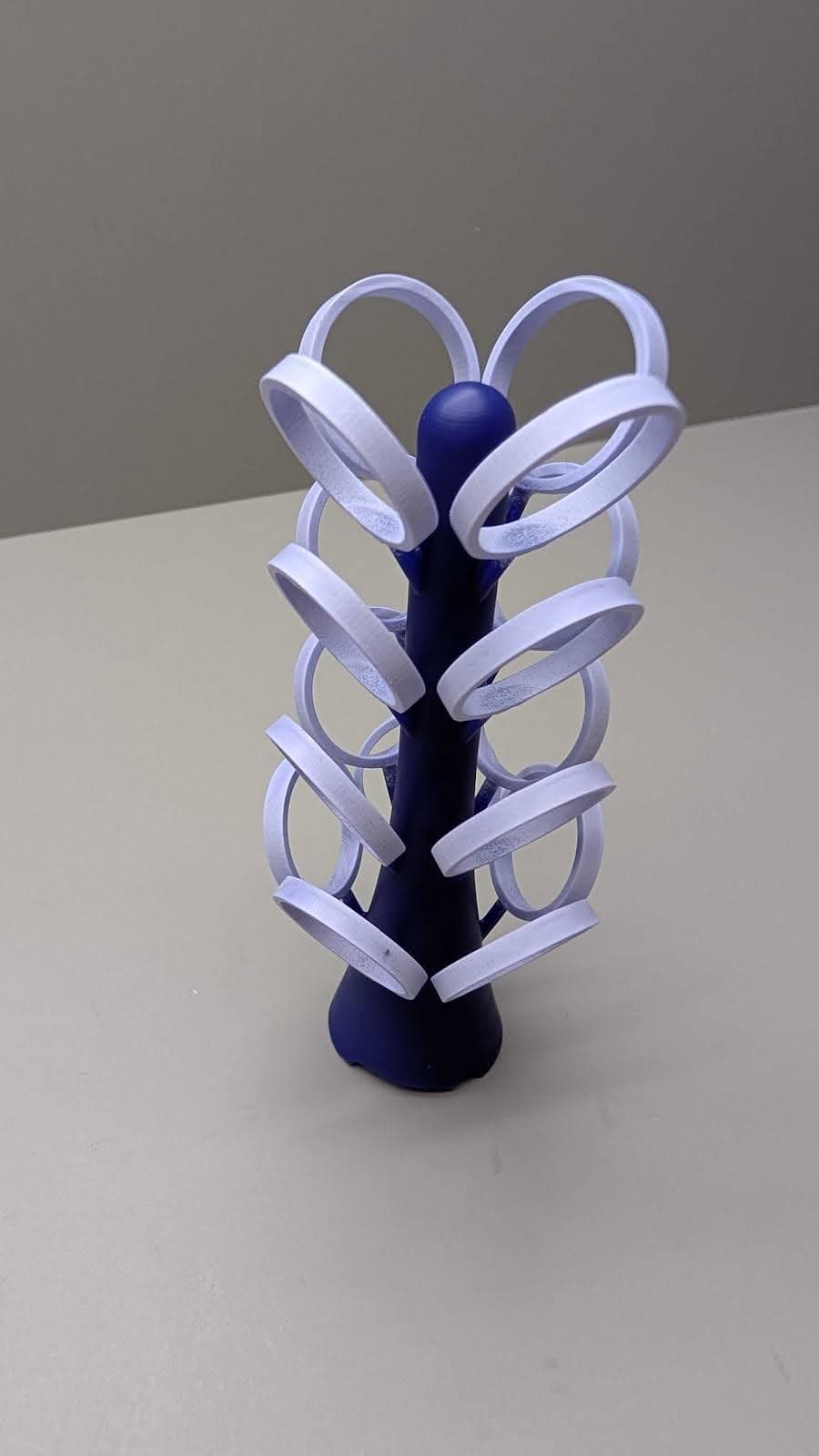
Print sprues directly on the model to reduce waxing time and reduce the number of supports. During the CAD design phase, add a sprue joining the part to the wax tree with a single point of connection. A self-supporting model with a hollowed-out main tree can fully eliminate the need for additional supports.
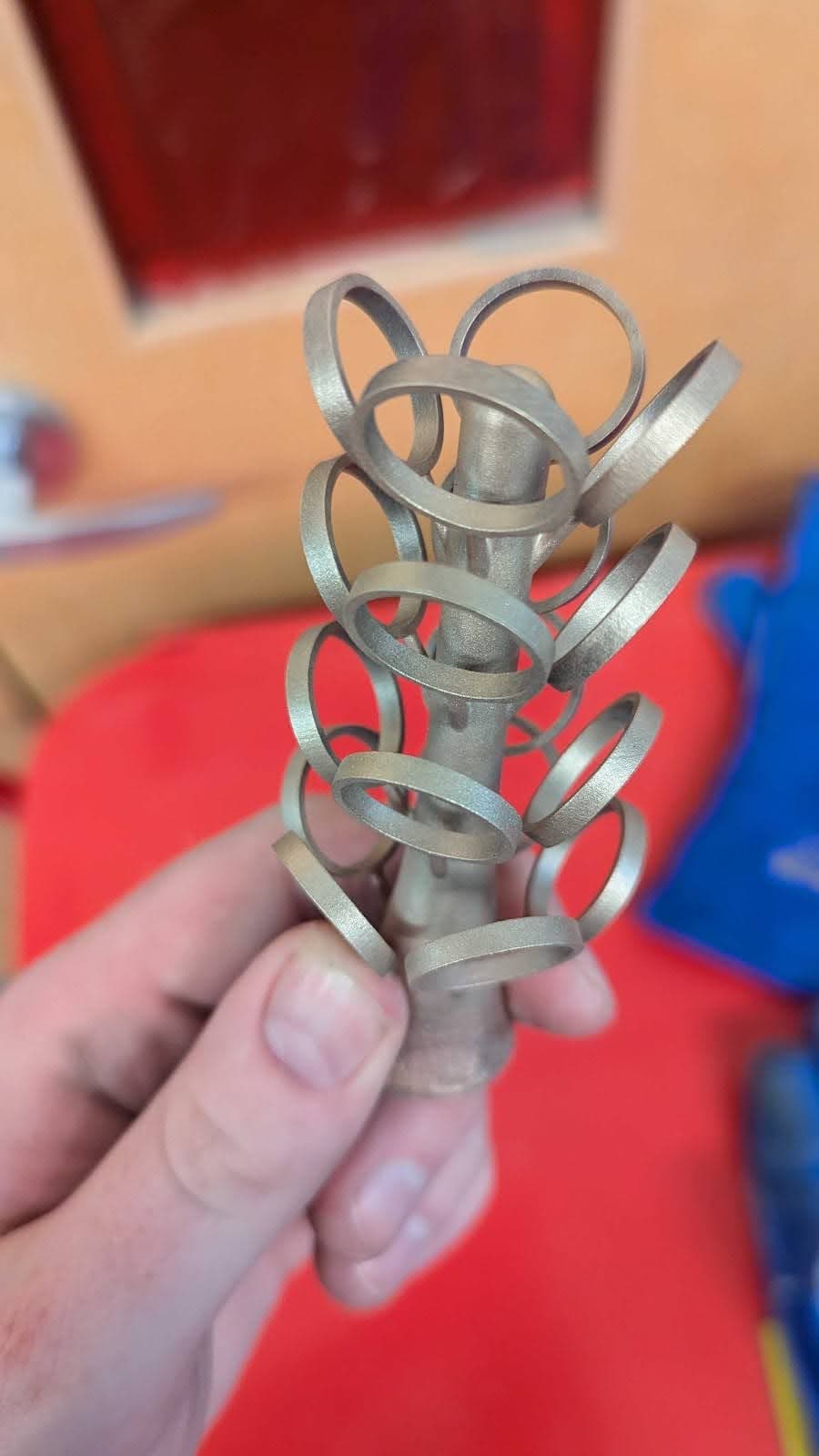
Printing with True Cast Resin
Printing with Formlabs printers
Before printing with True Cast Resin, either on a Formlabs printer or a third-party printer, be sure to heat the resin cartridge or resin bottle if it has been sitting at room temperature for more than a week.
Install or update PreForm, then set up the next print job.
To prepare a model for printing in PreForm:
If the resin cartridge has been sitting at room temperature for over a week, warm the resin cartridge and shake to ensure the resin is mixed completely.
Printing with third-party printers
True Cast Resin is compatible with most third-party resin 3D printers. Formlabs recommends using the recommended print settings for third-party printers.
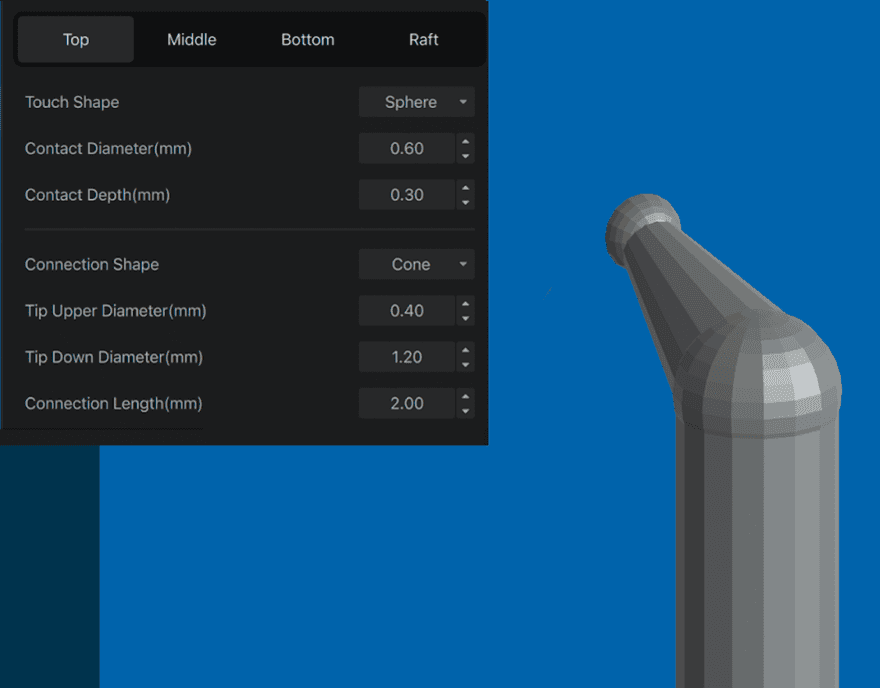
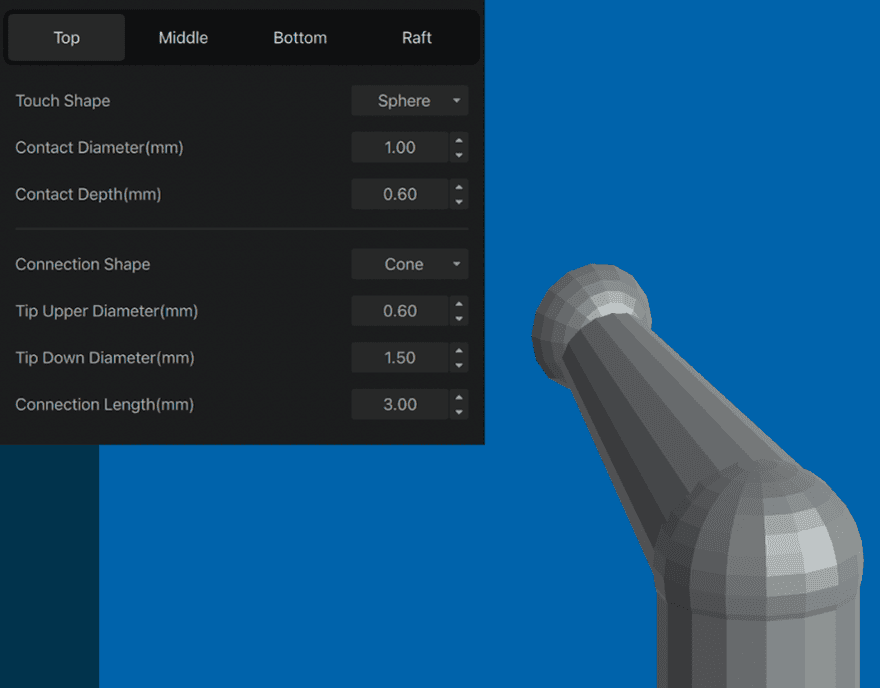
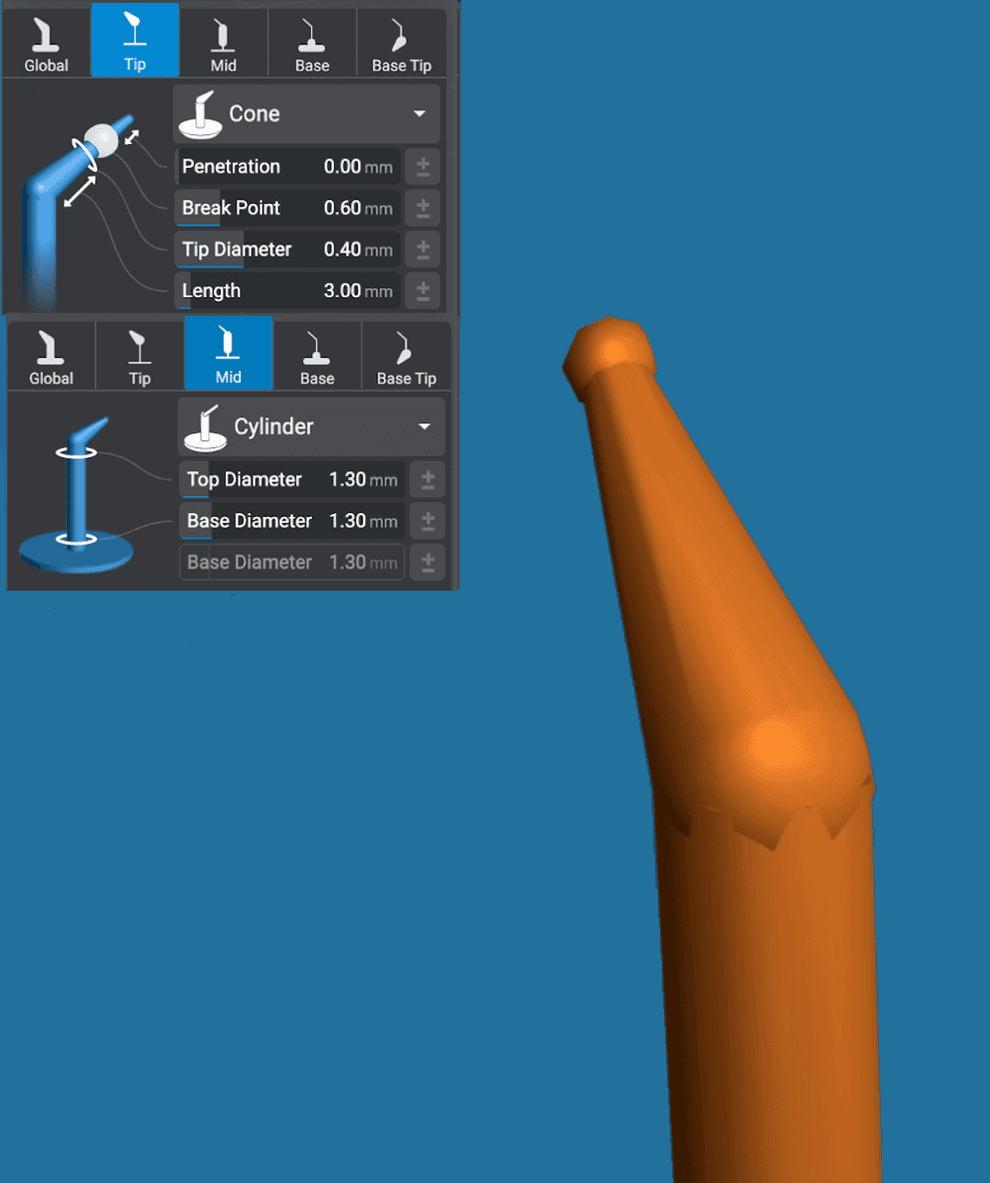
Design self-supporting models that are large enough to fully resolve. Formlabs recommends using spherical support settings on Lychee and Chitubox.
Chitubox
Lychee
后处理
Parts printed in True Cast Resin turn a dark purple when rinsed in solvent and lighten to a pale lavender color when dried. The color does not affect the burnout or final casting of the part, but may indicate how clean the part is of solvent. Larger parts with internal cavities may not dry evenly, leaving parts with a marbled color effect.
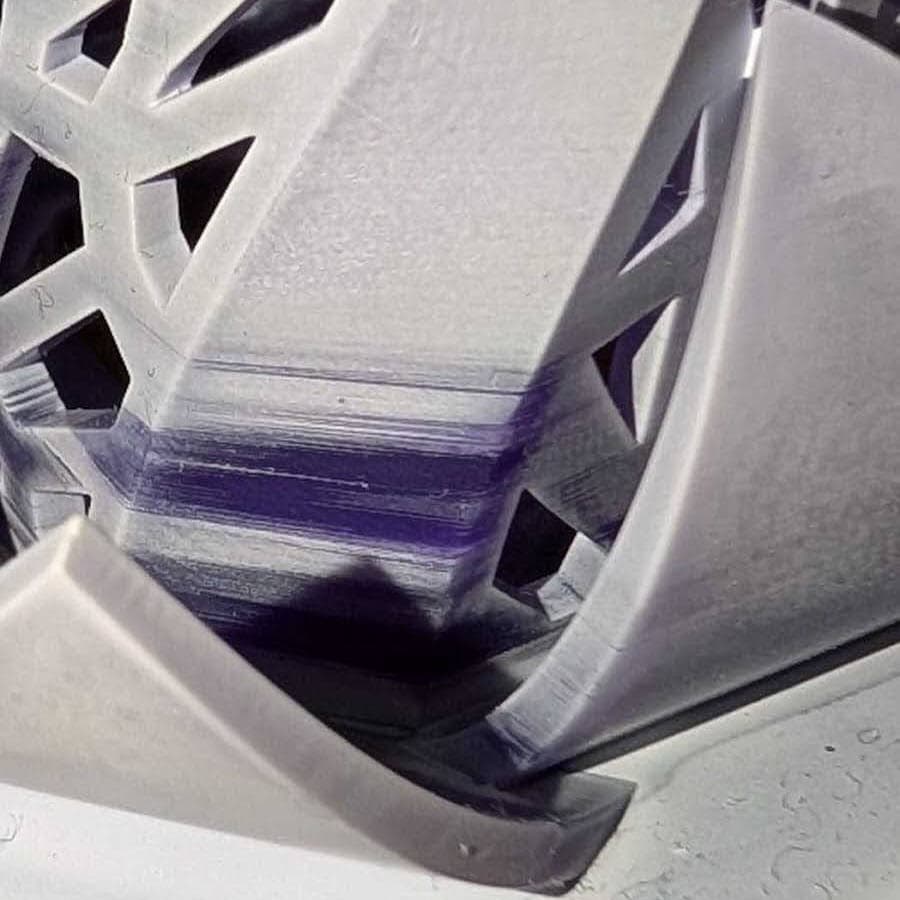
A part printed in True Cast Resin changing color as it is dried with compressed air
Marbled color effect on a part printed in True Cast Resin
True Cast Resin color change is not always uniform, especially for thick parts or when parts cannot be dried completely with compressed air. The color change does not affect the castability of the part as long as it is fully cleaned and cured.
The Form Wash and other washing systems agitate the solvent bath and remove parts from the bath after a set time. Wash parts according to the support article for your device. Formlabs recommends removing supports with a high-quality flush cutter to avoid tear-outs after the first wash. Spray or rinse parts with fresh solvent before drying.
If the model is hollow or has internal channels, ensure liquid resin is flushed out thoroughly from these features. Dry the parts thoroughly with compressed or forced air after removing from the solvent bath. Allow parts to fully dry before post-curing.
后固化要求
True Cast Resin does not require post-curing, although Formlabs recommends post-curing to reduce defects during the casting process. Refer to instructions for your particular machine for appropriate recommendations:
Sand down remaining touch tips with 1000 grit sandpaper after post-curing.
Casting with True Cast Resin
Parts printed in True Cast Resin do not require a specialized burnout schedule. Follow the recommended process for general casting in your desired investment material. Printed parts are shelf-stable and can be cast up to six months after printing without experiencing shrinkage.
For detailed information on casting with Formlabs resins, read the application guide Introduction to casting with Formlabs resins [EN] [DE] [ES] [FR] [IT] [JA] [ZH] and other Formlabs resources. For peer support for printing with this material, join the Formlabs Jewelry/Casting group on Facebook.
Below is a sampling of prints and castings that have worked well for other customers using different printers, investments, burnout schedules, metals, casting machines, and cleanup methods.
| Part | Burnout Rate (°C/hr) | Burnout End Temperature (°C) | Burnout Hold Time (hrs) | Investment | Metal | Metal Temp (°C) | Flask Temp (°C) | Casting Machine | Cleanup Method |
|---|---|---|---|---|---|---|---|---|---|
| Small Ring | FULL | 93 | 3 | Prestige Optima™ | Silver | 1000 | 482 | Neutec J2R | Water Break, Sandblast |
| 330 | 732 | 3 | |||||||
| 180 | Casting temperature | 1 | |||||||
| Small Ring | FULL | 93 | 3 | Prestige Optima™ | Ancient Bronze | 1120 | 600 | Neutec J2R | Water Break, Sandblast |
| 330 | 732 | 3 | |||||||
| 180 | Casting temperature | 1 | |||||||
| Heavy Ring | FULL | 93 | 3 | Prestige Optima™ | Ancient Bronze | 1120 | 600 | Neutec J2R | Water Break, Sandblast |
| 330 | 732 | 3 | |||||||
| 180 | Casting temperature | 1 | |||||||
| Ring | 120 | 2 | Ransom & Randolph® Plasticast® | White Gold | 1300 | 650 | Indutherm VC500 | Water Break, Pickle Pot | |
| 400 | 2.5 | ||||||||
| 700 | 1 | ||||||||
| Ring | 120 | 2 | Ransom & Randolph® Plasticast® | Yellow Gold | 1130 | 600 | Indutherm VC500 | Water Break, Pickle Pot | |
| 400 | 2.5 | ||||||||
| 700 | 1 | ||||||||
| Ring | 120 | 2 | Ransom & Randolph® Plasticast® | Silver | 1050 | 550 | Indutherm VC500 | Water Break, Pickle Pot | |
| 400 | 2.5 | ||||||||
| 700 | 1 | ||||||||
| Ring | 120 | 2 | Ransom & Randolph® Plasticast® | Brass | 950 | 520 | Indutherm VC500 | Water Break, Pickle Pot | |
| 400 | 2.5 | ||||||||
| 700 | 1 | ||||||||
| Ring | 150 | 2 | Ransom & Randolph® Plasticast® | Gold | 980 | 425 | VIGOR Centrifugal | Water Break, Pickle Pot | |
| 425 | 2 | ||||||||
| 690 | 3 | ||||||||
| Casting temperature | |||||||||
| Pendant | 150 | 2 | Ransom & Randolph® Plasticast® | Gold | 980 | 425 | VIGOR Centrifugal | Water Break, Pickle Pot | |
| 425 | 2 | ||||||||
| 690 | 3 | ||||||||
| Casting temperature | |||||||||
| Ring | 150 | 93 | 2.5 | Prestige Optima™ | Silver | 950–1100 | 550 | Neycraft Centrifuge | Water Break, Ultrasonic, Pickle Pot |
| 150 | 150 | 2.5 | |||||||
| 285 | 790 | 4 | |||||||
| 200 | Casting temperature | 1 | |||||||
| Ring | 150 | 93 | 2.5 | Prestige Optima™ | 14k Gold | 1000–1175 | 550 | Neycraft Centrifuge | Water Break, Ultrasonic, Pickle Pot |
| 150 | 150 | 2.5 | |||||||
| 285 | 790 | 4 | |||||||
| 200 | Casting temperature | 1 | |||||||
| Ring | 150 | 93 | 2.5 | Prestige Optima™ | 14k White | 1000–1175 | 550 | Neycraft Centrifuge | Water Break, Ultrasonic, Pickle Pot |
| 150 | 150 | 2.5 | |||||||
| 285 | 790 | 4 | |||||||
| 200 | Casting temperature | 1 | |||||||
| Ring | 300 | 9 | Prestige Optima™ | White Gold | Pickle Pot | ||||
| 750 | 2 | ||||||||
| 500 | 2 | ||||||||
| Ring | 300 | 9 | Prestige Optima™ | Silver | Pickle Pot | ||||
| 750 | 2 | ||||||||
| 500 | 2 | ||||||||
| Small Ring | 93 | 2 | Prestige Optima™ | 14k Gold | |||||
| 730 | 5 | ||||||||
| Mini-sculpture | 93 | 3 | Prestige Optima™ | Bronze | 1100–1200 | 425 | Sandblast | ||
| 730 | 3 | ||||||||
| Ring, figurine, pendant | FULL | 100 | 3 | Prestige Optima™ | Bronze, silver | 960 | 560 | Ultraflex J4 Lite | Manual pick, Ultrasonic, Tumble, Steam |
| 150 | 450 | 2 | |||||||
| 175 | 780 | 4 | |||||||
| Casting temperature |
其他资源